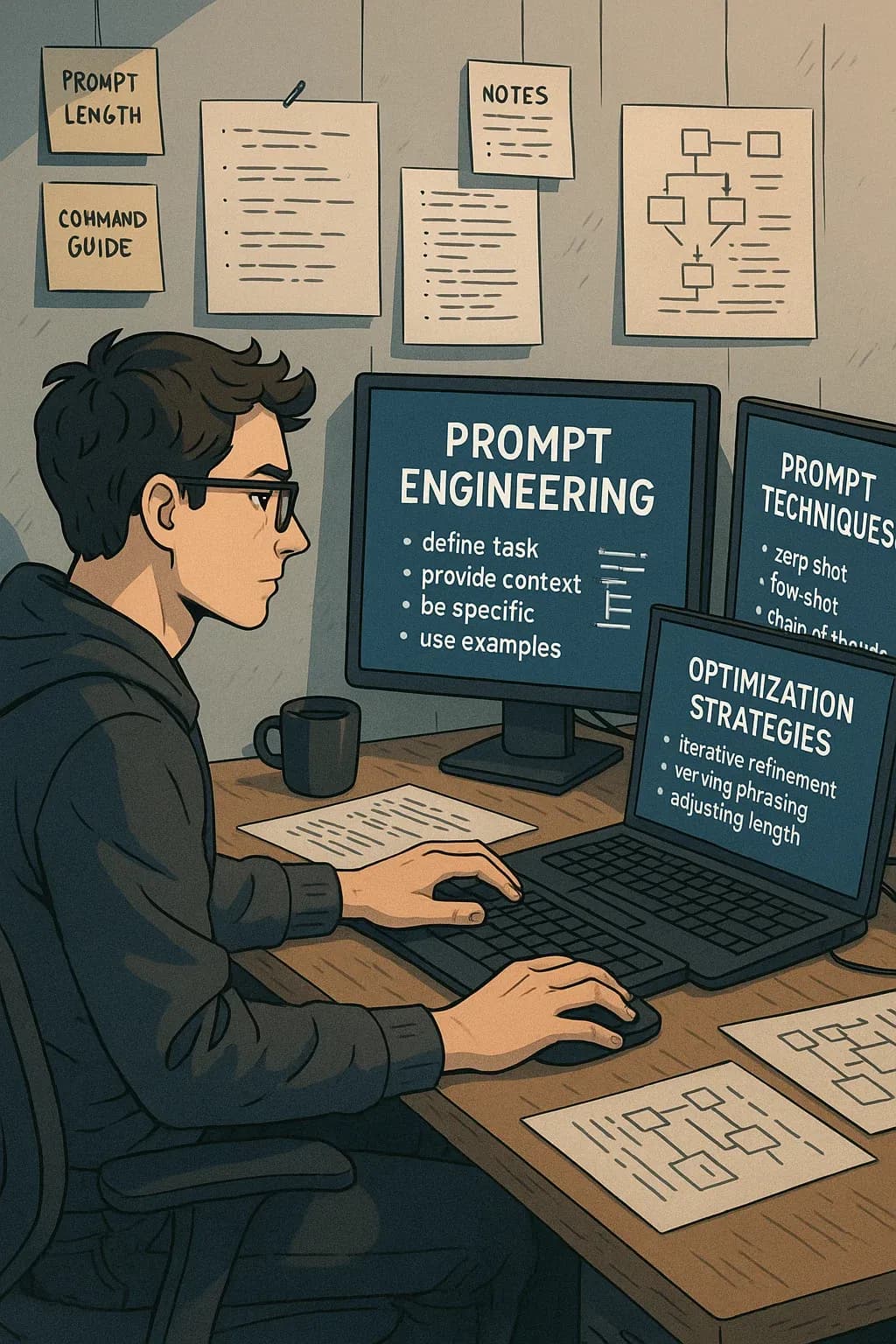
Seeing What Users Actually Ask: The Power of Prompt Intelligence
Traditional analytics tell you which keywords users typed into Google. Prompt monitoring reveals the actual questions and conversations users have with AI assistants when researching your category. This is fundamentally different intelligence—you're not seeing optimized search queries, but natural language questions that reveal genuine intent, concerns, and decision criteria.
When someone asks ChatGPT "What's the best tool for tracking AI visibility?", that's not a keyword—it's a buying signal. When they ask "Is Brand Armor AI worth the price compared to alternatives?", they're in active evaluation. When they ask "How do I integrate Brand Armor AI with HubSpot?", they're already convinced and need implementation guidance. Prompt monitoring provides this real-time window into audience intent, allowing you to optimize content, positioning, and messaging based on actual user questions rather than guesswork.
Brand Armor AI continuously monitors high-value prompts across ChatGPT, Claude, Gemini, Perplexity, and Grok to track when your brand appears, when competitors win instead, and what narratives AI models are sharing. This intelligence transforms content strategy from reactive to proactive—you know what questions to answer before competitors even identify them.
The Three Categories of Strategic Prompts
1. Discovery Prompts: Top-of-Funnel Awareness
These are broad category questions where users are just beginning to understand their problem and potential solutions:
Example Prompts We Monitor:
- "What is AI search visibility?"
- "How do I track my brand in ChatGPT?"
- "What tools help with generative engine optimization?"
- "Alternatives to traditional SEO for AI era"
Why They Matter: Discovery prompts represent early-stage awareness. Winning these recommendations puts you in the consideration set before users have formed opinions or preferences. Early presence builds mindshare that influences later buying decisions.
What We Track: Your appearance rate in discovery prompts, the positioning AI models use to describe you (are you called "a leader," "an option," or not mentioned?), and which competitors AI recommends alongside or instead of you.
Optimization Strategy: Discovery prompts require broad educational content that establishes category expertise. Blog posts explaining fundamental concepts, comparison guides showing the landscape of solutions, and thought leadership positioning you as a category authority all help win discovery recommendations.
2. Research Prompts: Mid-Funnel Evaluation
Users asking research questions are actively evaluating specific solutions and comparing capabilities:
Example Prompts We Monitor:
- "Brand Armor AI features and pricing"
- "Does Brand Armor AI integrate with Salesforce?"
- "Brand Armor AI vs [Competitor] comparison"
- "What industries use Brand Armor AI?"
- "Brand Armor AI customer reviews and results"
Why They Matter: Research prompts indicate high intent—users are building decision criteria and comparing options. The information AI provides during this phase directly influences shortlists and vendor selections. If the AI describes your pricing as "expensive" or says you "don't integrate with key tools," you lose deals before prospects ever contact sales.
What We Track: Answer completeness (does the AI know your full feature set?), answer accuracy (are pricing, capabilities, and positioning described correctly?), competitive positioning (how does the AI frame you vs. alternatives?), and sentiment (is the tone of AI answers positive, neutral, or negative?).
Optimization Strategy: Research prompts require detailed, factual content about your product—comprehensive feature pages with specific capabilities, accurate pricing information, integration documentation, case studies with measurable results, and balanced comparison guides that position your advantages clearly.
3. Comparison Prompts: Bottom-of-Funnel Decision
Head-to-head comparison questions where users are making final vendor decisions:
Example Prompts We Monitor:
- "Brand Armor AI vs [Specific Competitor]"
- "Should I choose Brand Armor AI or [Competitor]?"
- "Which is better for [use case]: Brand Armor AI or [Competitor]?"
- "Brand Armor AI vs [Competitor] pricing comparison"
- "Pros and cons of Brand Armor AI vs [Competitor]"
Why They Matter: Comparison prompts are the final gate before purchase decisions. If the AI frames a competitor as superior for the user's specific use case, you've lost the deal. Controlling the narrative in comparison prompts is critical for conversion.
What We Track: Your win rate in head-to-head comparisons (when both brands are mentioned, which does the AI favor?), differentiation clarity (does the AI articulate your unique advantages?), objection handling (does the AI mention and resolve common concerns?), and recommendation direction (does the AI explicitly recommend you, recommend the competitor, or stay neutral?).
Optimization Strategy: Comparison prompts require balanced, factual comparison content that clearly articulates your differentiated value. Create dedicated comparison pages for every major competitor, include specific use cases where you excel, provide concrete proof points, and address common objections proactively.
Prompt-Level Competitive Intelligence
Prompt Win/Loss Analysis
For every monitored prompt, Brand Armor AI shows you whether you "won" (were recommended), "appeared" (were mentioned but not primary recommendation), or "lost" (didn't appear at all). This win/loss tracking across hundreds of prompts reveals your competitive position with precision.
The Prompt Leaderboard ranks your most important prompts by business impact and shows your current win rate for each. You can prioritize optimization efforts on high-value prompts where you're currently losing to competitors.
Competitor Prompt Strategy Reverse Engineering
By analyzing which prompts competitors consistently win, you can reverse engineer their content strategy. If a competitor dominates "best [category] for [specific industry]" prompts, they've clearly invested in industry-specific content. Brand Armor AI surfaces these patterns, allowing you to either compete head-on or find untapped prompt categories where you can dominate.
Emerging Prompt Trends
As new prompts begin trending (e.g., a sudden increase in questions about a specific feature or use case), Brand Armor AI alerts you early. This allows you to create content and position yourself before the trend peaks, establishing authority while competitors are still catching up.
Sentiment & Perception Tracking
Beyond just tracking if you appear in prompts, we analyze the sentiment of how AI models describe you. Are answers generally positive, highlighting your strengths? Neutral and factual? Or negative, focusing on limitations or criticisms? Sentiment tracking at the prompt level reveals perception issues that broader metrics might miss.
Real-Time Monitoring & Alerting
Competitive Takeover Alerts
When a competitor starts winning prompts you previously dominated, you receive immediate alerts with details about what changed. This early warning system prevents silent erosion of your visibility position.
New Prompt Discovery
As Brand Armor AI detects new high-value prompts emerging in your category (questions users are asking that we haven't seen before), we notify you to create content addressing these new queries before competitors do.
Answer Quality Issues
When AI models provide incorrect, outdated, or negative information about your brand in response to prompts, you get instant alerts with links to the source content that needs updating. Fixing these issues quickly prevents incorrect narratives from spreading.
Prompt Performance Degradation
If your win rate for important prompts declines over time, alerts help you identify and address the issue before significant visibility is lost.
The Prompt Optimization Workflow
Step 1: Identify Priority Prompts
Brand Armor AI ranks all monitored prompts by potential business impact based on search volume, conversion intent, and competitive dynamics. Focus optimization on prompts that drive the most business value.
Step 2: Analyze Current Performance
For priority prompts, review your current appearance rate, answer quality, competitive positioning, and sentiment. Understand exactly why you're winning or losing these recommendations.
Step 3: Content Gap Analysis
Identify what content you need to create or update to win target prompts. Brand Armor AI generates specific content briefs addressing the exact information gaps preventing you from winning.
Step 4: Publish Optimized Content
Create and publish content designed to win specific prompts, using Brand Armor AI's blog generation and CMS integrations for rapid deployment.
Step 5: Measure Impact
Continue monitoring target prompts to measure how your content changes your win rate. You'll see direct correlation between published content and improved prompt performance, proving ROI.
Privacy & Data Security
All prompt monitoring is conducted using our own probing infrastructure—we ask AI models questions on your behalf to measure responses. We never access actual user conversations or personally identifiable information. All intelligence is derived from aggregate, anonymized patterns, ensuring 100% privacy compliance while delivering strategic insights.
Integration with Your Workflow
Connect prompt monitoring alerts to Slack, Teams, or email so your team stays informed about important shifts in AI recommendations without constantly checking dashboards. Export prompt analysis to Notion, Airtable, or your CMS for content planning. Use our API to build prompt intelligence directly into your existing marketing workflows.