
GEO Metrics That Matter: The Brand Armor AI Scorecard
Track the GEO metrics that tie assistant visibility to revenue, using Brand Armor AI dashboards, telemetry, and governance workflows.
GEO Metrics That Matter: The Brand Armor AI Scorecard
Generative Engine Optimization is only as strong as the metrics you monitor. Vanity impressions and generic engagement don’t prove that assistants amplify your brand. Brand Armor AI surfaces the GEO scorecard that connects prompt patterns, citation share, and pipeline so leaders can invest with confidence.
The Brand Armor AI GEO scorecard
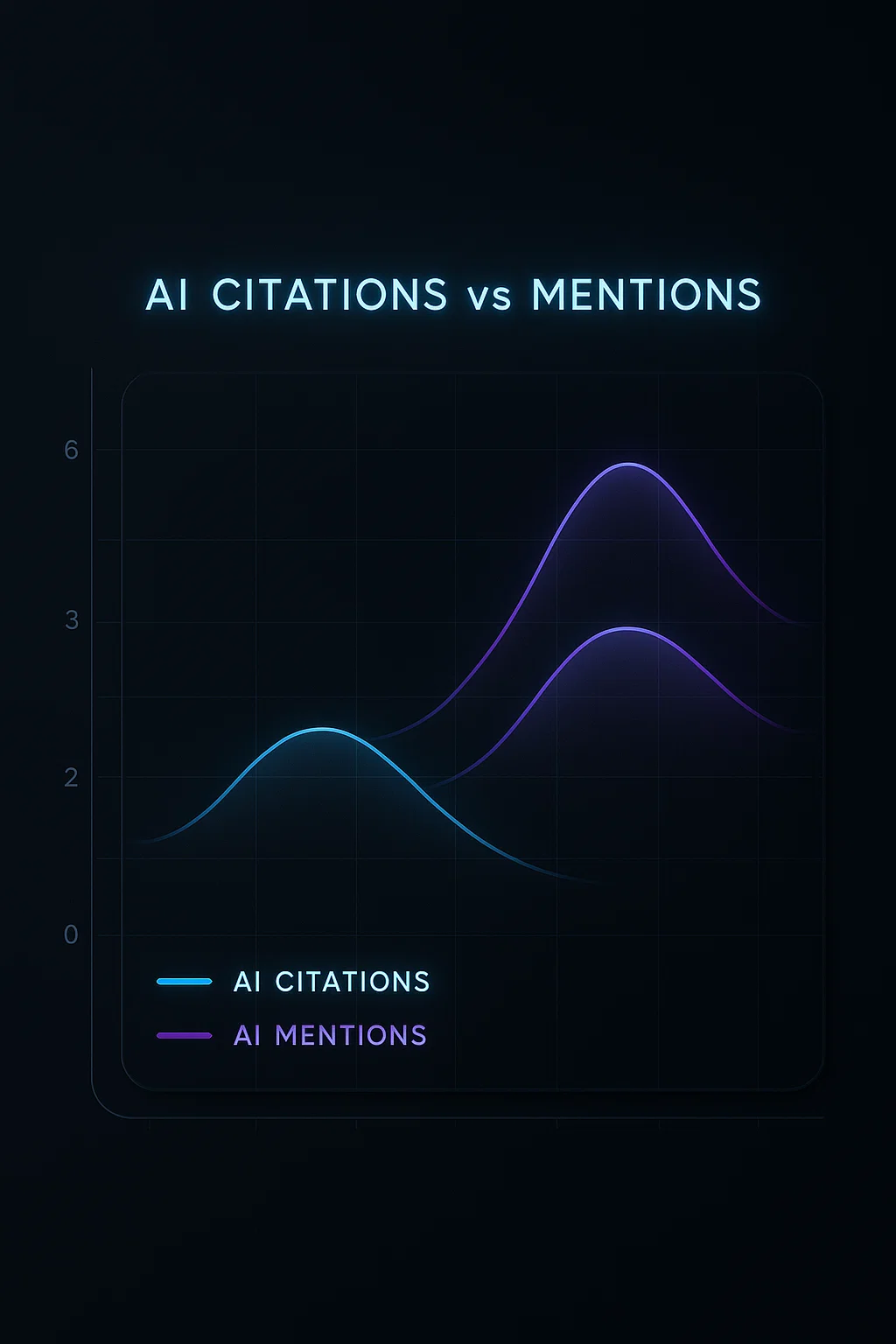
- Citation share: Percentage of monitored prompts that cite your approved assets.
- Prompt-to-pipeline velocity: Time from a tracked assistant interaction to sourced opportunities.
- Answer accuracy score: Blend of sentiment, compliance flags, and fact-pack alignment.
- Resolution SLA: Average hours to fix risky prompts once drift alerts fire.
- Overlap coverage: Count of critical claims backed by three or more live sources.
Brand Armor AI tracks each metric, assigns owners, and ties improvements to revenue outcomes.
QQuestion: How do we gather dependable GEO data?
Answer: Instrument Brand Armor AI Bot Analytics across public assistants, product tours, and internal copilots. The platform unifies transcript data with citation telemetry and CRM outcomes.
QQuestion: Which metrics belong in executive reports?
Answer: Highlight citation share, prompt-to-pipeline velocity, and resolution SLA. Pair them with sourced ARR to prove GEO’s impact beyond traffic.
QQuestion: How often should we review GEO metrics?
Answer: Weekly standups keep remediation fast, while monthly executive reviews demonstrate trend lines and resource needs.
Building a GEO metrics rhythm
- Baseline your assistants. Run a two-week crawl to capture current citation share and sentiment benchmarks.
- Tag intent clusters. Organize prompts by use case—evaluations, comparisons, risk checks—to see which motions convert.
- Assign owners. Give each metric a leader in marketing, product, or compliance with clear SLAs.
- Automate reporting. Schedule Brand Armor AI dashboards to hit stakeholder inboxes and data warehouses.
- Tie metrics to plays. Link improvements to ghost copies, MCP updates, or enablement briefs so teams know what worked.
Example Brand Armor AI dashboard layout
- Executive summary card: Highlights citation share trend, pipeline impact, and risk status in one glance.
- Intent quadrant: Plots prompt volume against accuracy so teams see which clusters need attention.
- Remediation tracker: Lists open drift alerts with owners, SLA countdowns, and downstream assets affected.
- Revenue waterfall: Connects prompts to opportunities, wins, and renewals to visualize momentum.
Team rhythm across the org
- Marketing ops: Owns the dashboard, refresh schedule, and cross-team enablement materials.
- Content leads: Review intent clusters, schedule ghost copy refreshes, and ensure schema stays aligned.
- Compliance: Monitors risk flags, approves updated claims, and archives documentation for audits.
- RevOps: Maps prompt influence to pipeline stages and ensures CRM tagging remains accurate.
- Leadership: Joins monthly reviews to unblock resourcing and celebrate wins.
Common pitfalls to avoid
- Tracking too much: Focus on actionable metrics; avoid dashboard sprawl that hides priority issues.
- Ignoring attribution: Tie prompts to real revenue so GEO isn’t dismissed as a vanity project.
- Lagging updates: Metrics lose credibility if data sources refresh inconsistently; automate ingestion wherever possible.
- Siloed ownership: Shared KPIs ensure marketing, product, and compliance move in lockstep.
By expanding beyond vanity metrics, Brand Armor AI customers run GEO with the same rigor they apply to demand generation and sales operations.
FAQ: Forecasting GEO with Brand Armor AI
Can we model the revenue lift of higher citation share? Yes. Brand Armor AI correlates prompt volumes with sourced pipeline to project revenue impact.
How granular should we track prompts? Group by intent category and assistant. Ultra-specific slices make it easier to prioritize fixes without drowning in data.
What if metrics trend downward? The platform flags regressions and recommends remediation steps—refresh fact packs, update schema, or syndicate new proof.
Great GEO teams don’t just monitor traffic—they manage trust. Brand Armor AI delivers the scorecard that keeps assistants honest and execs aligned.
🚀 Want your GEO scorecard? Request a Brand Armor AI metrics workshop.
Stay visible as AI search evolves
Practical research on AI visibility, citations, crawler activity, shopping recommendations, and GEO strategy.
Useful insights only. Unsubscribe anytime.